Hospitals must maintain a clean, pest-free environment to protect the health and safety of the patients and staff. Hiring professional pest control for a recurring management plan is the most effective way to ensure all areas of your building are free of pest problems.
In this blog on pests found in hospital settings, we’ll look at the following:
- Overview of Common Pests in Hospital Environments
- Key Pests in Hospitals
- Rodent Infestations in Hospitals
- Insect Challenges: Ants, Flies, and Cockroaches
- Bed Bugs: A Rising Concern in Healthcare Facilities
- The Role of Sanitation in Pest Prevention
- Integrated Pest Management (IPM) in Hospitals
Overview of Common Pests in Hospital Environments
Hospitals are home to some of the nastiest pests due to their varying environments, like kitchens, staff rooms, offices, waiting rooms, and loading docks. Along with rodents, you have more minor pests like cockroaches and flies who fit into even the smallest of gaps. We’ll take a closer look at each of these pests below.
Key Pests in Hospitals
Identifying the Most Common Hospital Pests
Rodents
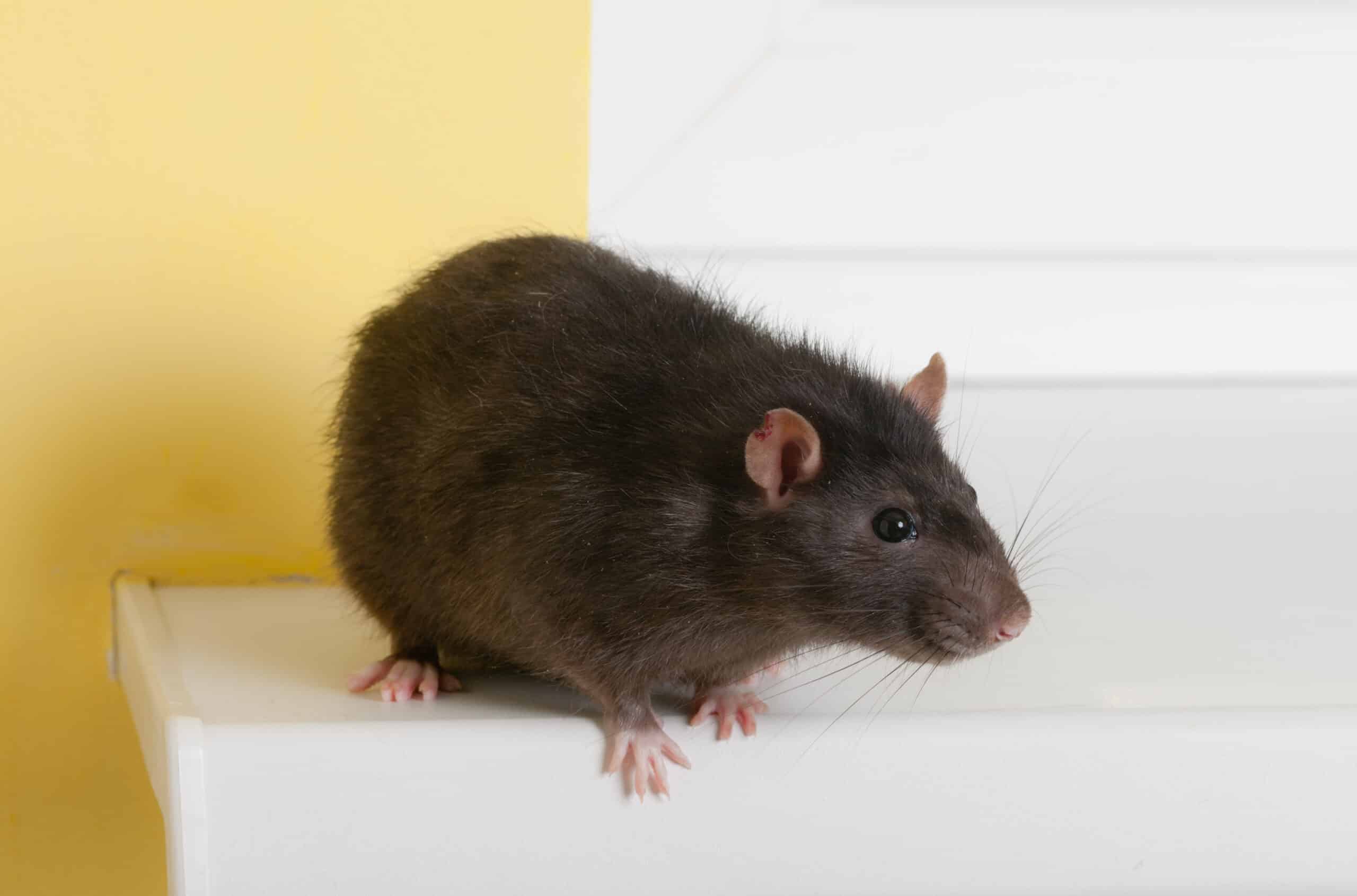
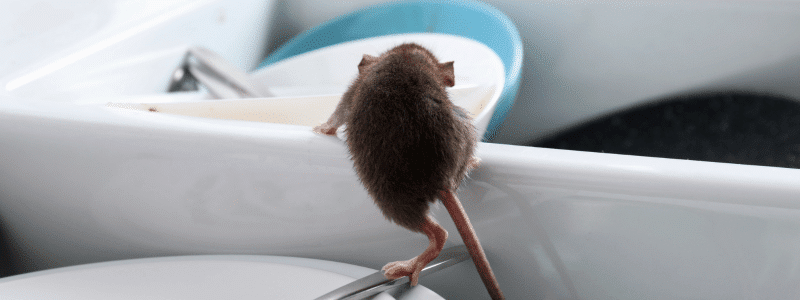
Mice and rats put hospital buildings at risk of property damage, food contamination, and spreading disease. Rats alone can carry over 35 diseases, which can be spread through their feces, urine, saliva, and bites. Even if you don’t directly touch these, rodents can leave particles on surfaces they contact, spreading to other objects, food, and people.
Ants
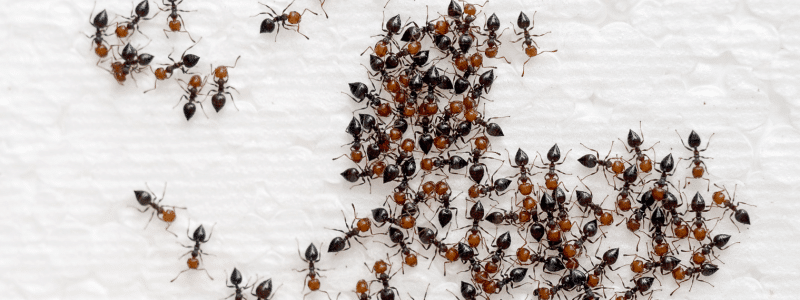
Ants can cause property damage in numbers, which is how they travel. Ants can chew through packaging to reach food and will alert their colony to follow suit. Even worse, trying to get rid of ants on your own by squishing them will release a pheromone that attracts more of their kind. Along with damage to items and food, all ant species will bite when threatened and can cause extreme pain.
Flies
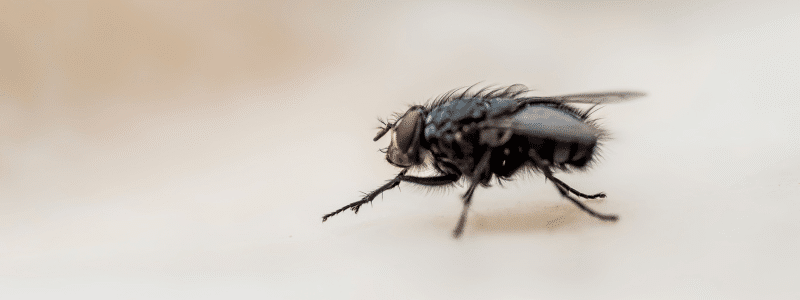
Flies are abundant and can easily access different places through their small size and ability to fly. They typically spend their day flying from surface to surface, searching for food and spreading germs. Flies transmit up to 65 different diseases to humans, including cholera and typhoid fever. In your hospital, flies can get onto medical equipment, personal belongings, and other places that quickly spread their germs.
Cockroaches
Cockroaches are among the most feared pests due to their resilience and rapid breeding abilities. Like other pests, cockroaches spread disease and pathogens to the surfaces they touch. Cockroaches are tough to eliminate, and one or two can become infested in just over a month without intervention.
Bed Bugs
The average hospital has between 26 and 100 beds; there are many spots for bed bugs to hide away in. Bed bugs can end up in hospitals through material items that patients bring and infested packaging and furniture. Bed bugs don’t spread diseases, but they bite and feed on the blood of humans. No hospital patient wants to find out the bed they’ve been using is filled with tiny, blood-sucking pests.
Understanding the Risks Pests Pose to Hospital Safety and Hygiene
Pest infestations contaminate food, furniture, packaging, and other essential items in a hospital. Immunocompromised patients are especially at risk of the diseases spread by certain pest activity, while everyone, staff and patients included, can fall victim as well.
Rodent Infestations in Hospitals
Signs of Rodent Presence and Associated Health Risks
If you suspect rodents may be in your hospital, look for the following symptoms of their presence:
- Rodent droppings, especially around food packages and the kitchen
- Chew marks
- Sounds of rustling in the walls
- The smell of ammonia
- Holes in walls and floors
- Nesting material, shredded paper, fabric, plant matter, etc.
Patients and staff in a rodent-infested hospital are at risk of several diseases they carry, including:
- Hantavirus.
- Hantavirus Pulmonary Syndrome
- Hemorrhagic Fever with Renal Syndrome
- Lassa Fever
- Leptospirosis
- Lujo Hemorrhagic Fever
- Lymphocytic Choriomeningitis (LCM)
- Monkeypox
Rodent-spread diseases can cause various symptoms that may make it hard to diagnose, like vomiting, diarrhea, chills, fever, rash, muscle aches, and joint pain. Contact pest management services if you believe your hospital has rodents that are putting your staff and patients in danger.
Effective Strategies for Rodent Control and Prevention
Rodents are food and shelter-motivated. When we target these pests, in particular, we take several approaches:
- Removal of exposed water sources
- Proper food storage
- Rodent traps
- Rodent poisoning
The goal is to exterminate existing rodents and deter future ones from showing up.
Insect Challenges: Ants, Flies, and Cockroaches
Identifying and Managing Insect Infestations in Hospitals
Insect infestations have some similarities to rodent infestations, including the presence of droppings and chew marks. That said, there are some specific key markers of an insect infestation to look out for.
Signs of Insect Infestation
- Patients or staff reporting bite marks
- Dead bugs
- Droppings
- Scratching and rustling sounds
- Bad smells
- Chew marks or holes in food containers and plants
- Eggs or larvae
- Buzzing or clicking sounds
Best Practices for Insect Control in Healthcare Settings
Take the proper precautions to eliminate pests from your hospital. Keep in mind pests are looking for food, water, and shelter. When you take away these things, you deter their presence. Consider the following.
- Sweep, mop, and vacuum to eliminate debris.
- Dispose of garbage in securely sealed bins and position dumpsters at a distance from the building.
- Seal gaps in walls, windows, and doors to prevent pests from entering.
- Opt for airtight containers for storing food and medical products.
- Raise stored food items to control pest access.
- Examine incoming shipments for indications of pests before bringing them indoors.
- Trim vegetation surrounding the hospital’s perimeter.
- Educate staff on appropriate food and equipment handling
Bed Bugs: A Rising Concern in Healthcare Facilities
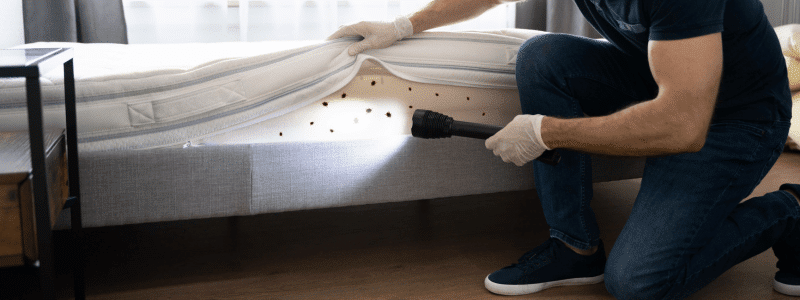
Recognizing and Addressing Bed Bug Infestations
Bed bugs are a particularly big issue for hospitals. Healthcare environments are the most common locations for infestations due to bed bugs. Hospitals comprise 36% of bed bug infestations, with nursing homes being #1 (59%). You’re dealing with a lot of patient transitioning, changing out of sheets, and exposing the environment to different items.
Signs of Bed Bugs
- Rusty or reddish stains on sheets or mattresses
- Feces (dark spots, about the size of a dot)
- Tiny pale yellow eggs, eggshells, and shed skins
- Live bed bugs
- Bite marks
Implementing Comprehensive Treatment Plans
If you suspect a bed bug infestation in your hospital, contact pest control immediately. They can identify the size of the issues and implement safe, controlled treatment to get rid of the bed bugs without harming patients or staff.
The Role of Sanitation in Pest Prevention
Importance of Maintaining Hygiene Standards to Deter Pests
Hospitals are expected to be sterile and safe for patients. With all of the sick people, it’s important to have a clean environment where their immune systems won’t be affected. This type of environment is also excellent for deterring pests because they prefer mess and dirt. Keeping all areas of the hospital free of dirt, crumbs, and moisture build-up will remove some of the primary attractants for pests.
Integrated Pest Management (IPM) in Hospitals
Principles of IPM in Healthcare Environments
The Integrated Pest Management (IPM) program offers a smart approach to pest control with reduced chemical usage, particularly suitable for hospital settings. IPM for clinics and healthcare centers focuses on prevention, extermination, and environmental management.
Customizing IPM Strategies for Hospital Needs
IPM modifies the environment by sealing gaps and other building entry points, adding extra barriers like floor sweeps and screens, and strategically planting insect-repelling plants, to create a comprehensive strategy to address and prevent pest issues in healthcare facilities.