Gnats appear suddenly when tiny conditions align. Small moisture or food changes spark rapid breeding. One overlooked spot turns into a gnat problem.
Moisture Problems That Attract Gnats
Excess water draws gnats indoors.
- Overwatered indoor plants keep the plant soil damp.
- Leaky pipes or faucets create hidden wet zones.
- Standing water in saucers, sink drains, or trays.
- High humidity traps moisture.
Food Sources That Attract Gnats Indoors
Gnats feed and breed on organics.
- Overripe fruit on counters ferments fast.
- Food scraps, spills, or open trash.
- Dirty garbage disposals with buildup.
- Pet food bowls left out.
These provide decaying organic matter for laying eggs.
Why Houseplants Often Cause Fungus Gnat Infestations
Indoor plants host most fungus gnat infestations. Moist potting soil becomes a prime breeding ground. Fungus gnat larvae feed on plant roots, fungi, and decaying organic matter. Adult fungus gnats emerge, mate, and restart the life cycle.
How Gnats Get Inside Homes
Gnats enter easily.
- Through open windows or doors.
- Via plumbing vents or sink drains.
- Hitchhiking on new plants, produce, or soil.
Seasonal Gnat Activity in Arizona
Warm months speed the life cycle. Monsoon humidity boosts breeding. Air-conditioned homes still hold moisture pockets that sustain small flies long-term.
When a Gnat Problem Becomes an Infestation
Infestation shows as:
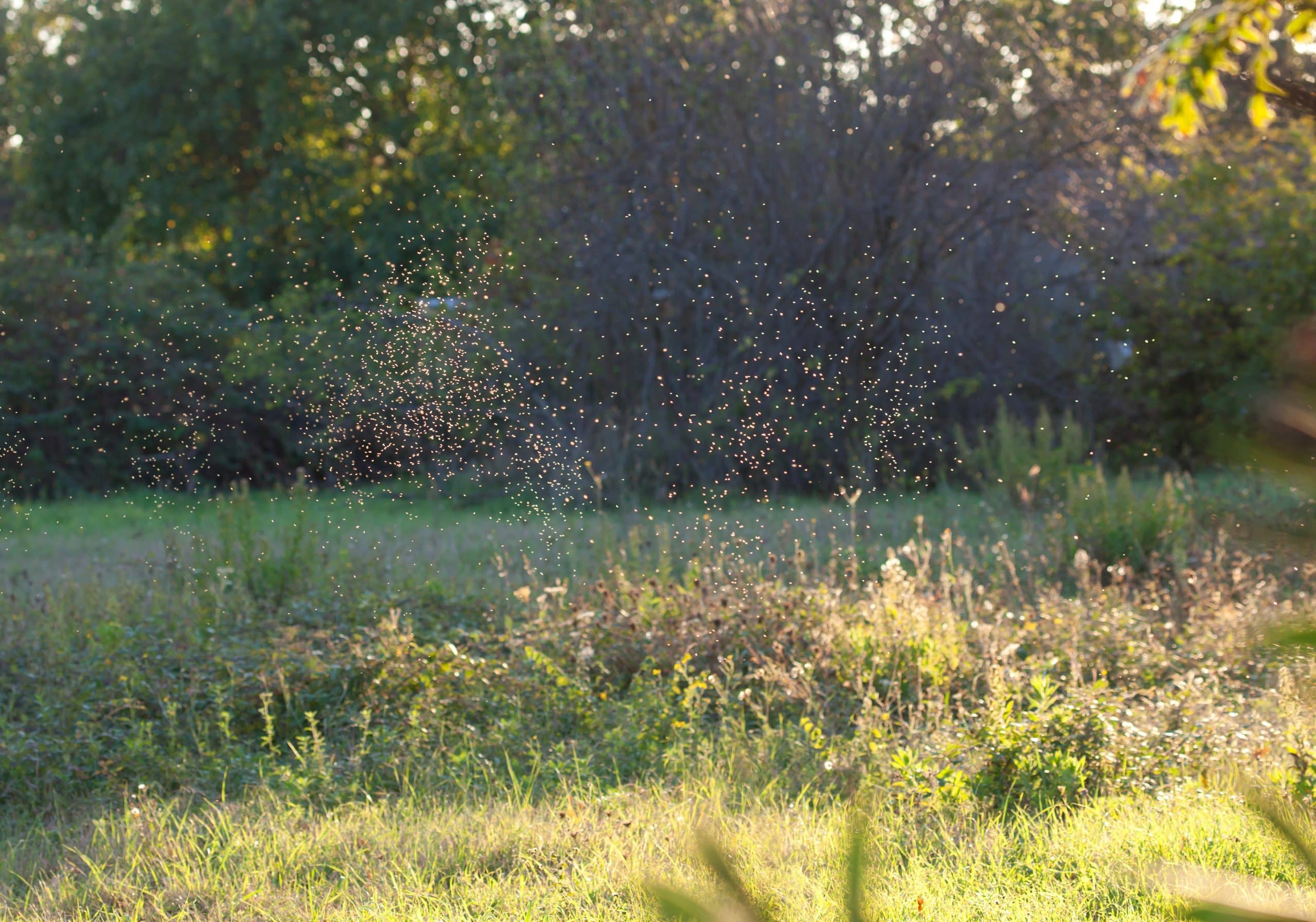
- Swarms near plants or sink drains.
- Flies return after cleaning.
- Multiple active breeding ground sites.
How Pest Control Professionals Identify the Source
Experts inspect:
- Plant soil, drains, trash areas.
- Hidden moisture and food sources.
- Signs of larvae or eggs.
- They plan targeted fixes.
Use yellow sticky traps to monitor adults. Avoid overwatering; let the topsoil dry between waterings.
Schedule a Gnat Inspection in Arizona with Insectek
Insectek finds and stops fungus gnat infestation sources fast. Contact Insectek for professional inspection and relief in Arizona.