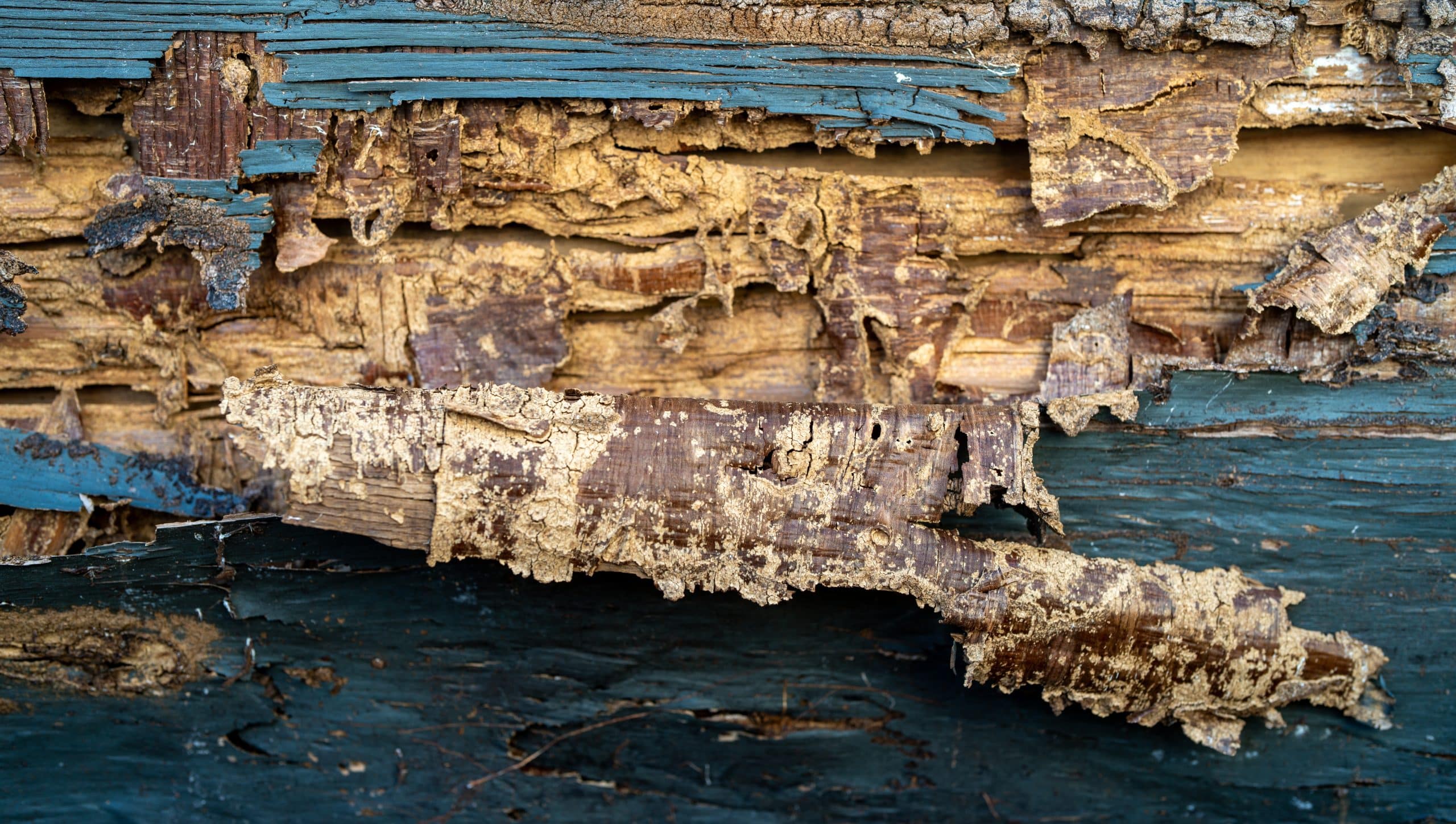
Carpenter ants are a serious problem for homeowners. Much like termites, carpenter ant colonies chew through wood and lead to serious structural problems if left untreated.
How can you detect carpenter ants in your home, and what can you do to get rid of them? This blog answers these questions and more.
How to Identify Carpenter Ants
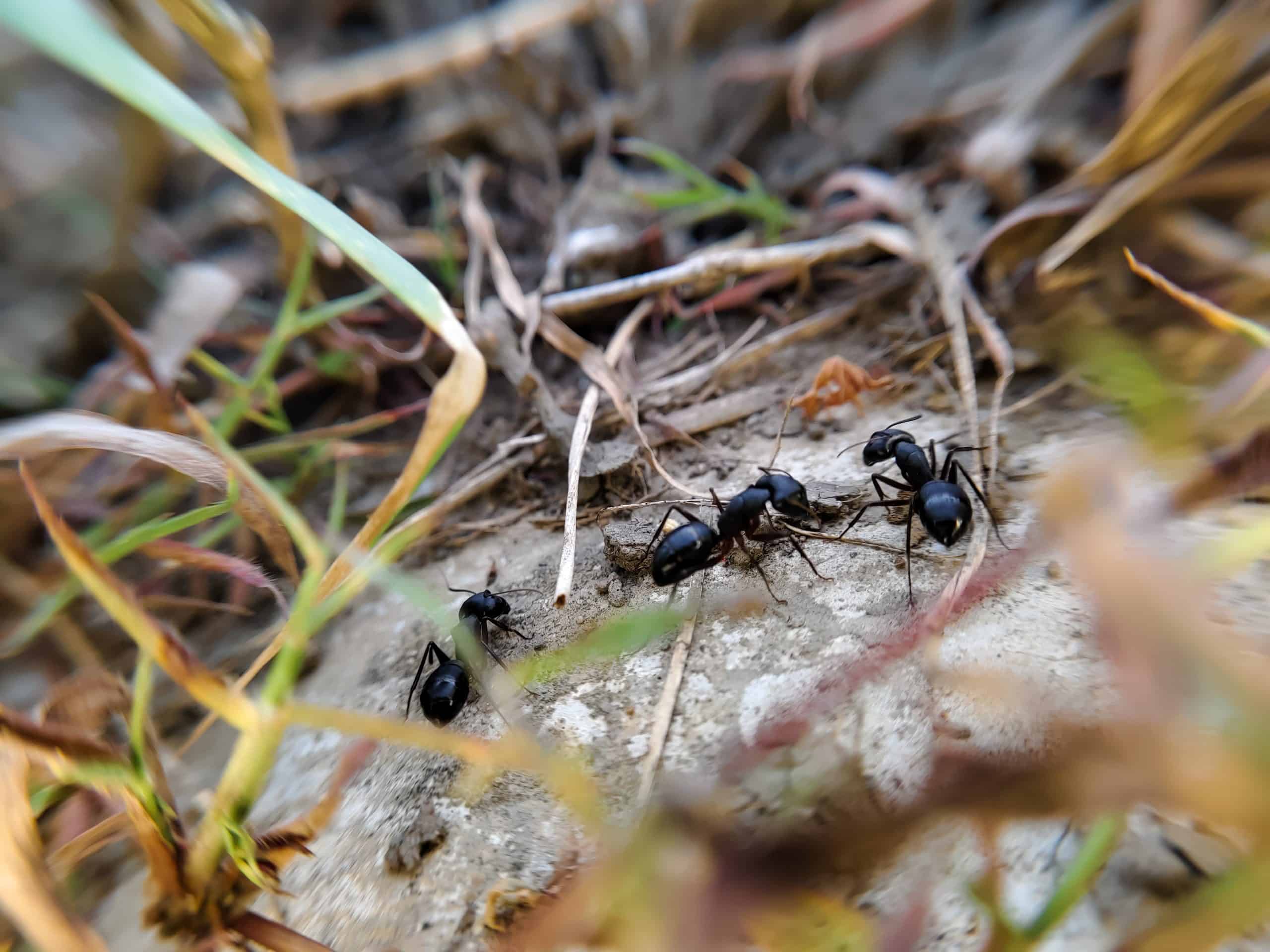
Carpenter ants don’t have obvious features like the red color of fire ants, but there are ways to identify them based on their appearance and behavior.
Growing up to half an inch long, these black ants are some of the largest ants in the animal kingdom. They have bent antennae that are the hallmark of their species. While they chew through wood just like termites, carpenter ants do not eat the wood. Instead, they use it for building nests.
An infestation will bring signs of frass, which is sawdust-like material, and rustling sounds in walls or ceilings. If you notice any of these signs, call a professional exterminator.
What Attracts Carpenter Ants to Homes
Carpenter ants seek ideal conditions for nesting sites. Any home is at risk of an infestation of these wood-excavating ants, but certain homes pose a greater risk.
Risks increase with:
- Moisture-damaged wood
- Roof leaks and plumbing issues
- Tree stumps and wood piles near the house
- Unsealed entry points
Carpenter ants, like most ants, will also target homes with an easy food source, as they do not eat wood. Clean up any sugary spills or crumbs and store all pantry food in airtight containers.
Signs of a Carpenter Ant Infestation
You won’t have to look far for signs of carpenter ants. The signs of an infestation are similar between these ants and termites, which often leads to confusion at first. Identifying which infestation you have is key to choosing the right treatment.
Look for:
- Hollow-sounding wood
- Winged ants indoors
- Repeated sightings inside the home
- Sawdust-like material (frass)
- Discarded wings
- Worker ant trails
- Signs of water damage
A carpenter ant infestation is a serious issue that poses property damage risks, so immediate treatment is key to protecting your home.
Why Carpenter Ants Are Hard to Eliminate
These pests are exceptionally difficult to remove from your home. Unlike a termite infestation, carpenter ants are elusive and hard to detect. On top of that, they usually build nests in hard-to-reach areas, making it hard to pinpoint the queen.
While termites use one main colony, carpenter ants are known to create multiple “satellite” colonies that they relocate to when threatened. Finding one nest only means there are more.
Carpenter ants are nocturnal, making them very difficult to find and track. You will usually find signs of activity before you find the ant itself. This makes locating nests even more difficult, allowing more time for the colony to grow and expand. Mature colonies can house over 100,000 ants.
DIY Carpenter Ant Control
There are several DIY carpenter ant extermination techniques you can use to remove ants from your home. While successful in some cases, it is always better to use professional services to ensure complete treatment.
DIY carpenter ant control includes:
- Borax and sugar bait
- Boric acid trap
- Dish soap spray
- Over-the-counter sprays
- Diatomaceous Earth (DE)
You will want to target the source when using DIY methods. Killing worker ants does you no good if you fail to kill the queen. It may take several days before you see results, depending on what you use.
Professional Carpenter Ant Treatment Methods
Professional pest control is the best option when faced with carpenter ants, as it successfully kills the queen and gets rid of carpenter ants in your home. These services treat both your home and the outside perimeter, ensuring treatment on a broad scope.
Pest control experts are exceptionally good at finding carpenter ant nests and use species-specific strategies and products to eliminate all nests. This includes drilling small holes into walls or door frames where a nest has been found, and injecting insecticidal dust or foam into the nest.
It’s important to consult professionals before trying to treat an infestation on your own, as improper treatment can cause “budding.” This happens when a carpenter ant colony feels threatened and breaks off into separate colonies, making successful treatment harder.
How to Prevent Carpenter Ants from Returning
Once you have successfully removed a carpenter ant colony from your home, you need to take preventive measures to avoid attracting another infestation.
Make sure to:
- Store firewood away from exterior walls
- Seal any entry points
- Eliminate moisture sources like leaky pipes
- Keep the kitchen clean
- Store food in airtight containers
- Schedule regular pest inspections
While things won’t completely prevent a carpenter ant infestation, they will greatly reduce the risk.
Carpenter Ants vs Termites
Carpenter ants and termites are both wood-destroying pests, but carpenter ant damage patterns are different from those of termites.
Termite damage is caused when termites chew wood as a food source. They produce mud tubes as protection and create widespread damage as the colony grows. Carpenter ants still cause wood damage, but they don’t eat it. Instead, they use it for nesting.
While both pests cause structural damage, termite damage costs can grow upwards of thousands of dollars, while repairs from a carpenter ant infestation are usually cheaper. However, both pests require immediate action once activity is suspected.
Expert Carpenter Ant Control in Arizona with Insectek
If you suspect you might have a carpenter ant infestation, you need to act fast. These particular ants can cause structural damage to your home and are difficult to kill with DIY methods.
Protect your home from carpenter ants. Call today for a free quote!