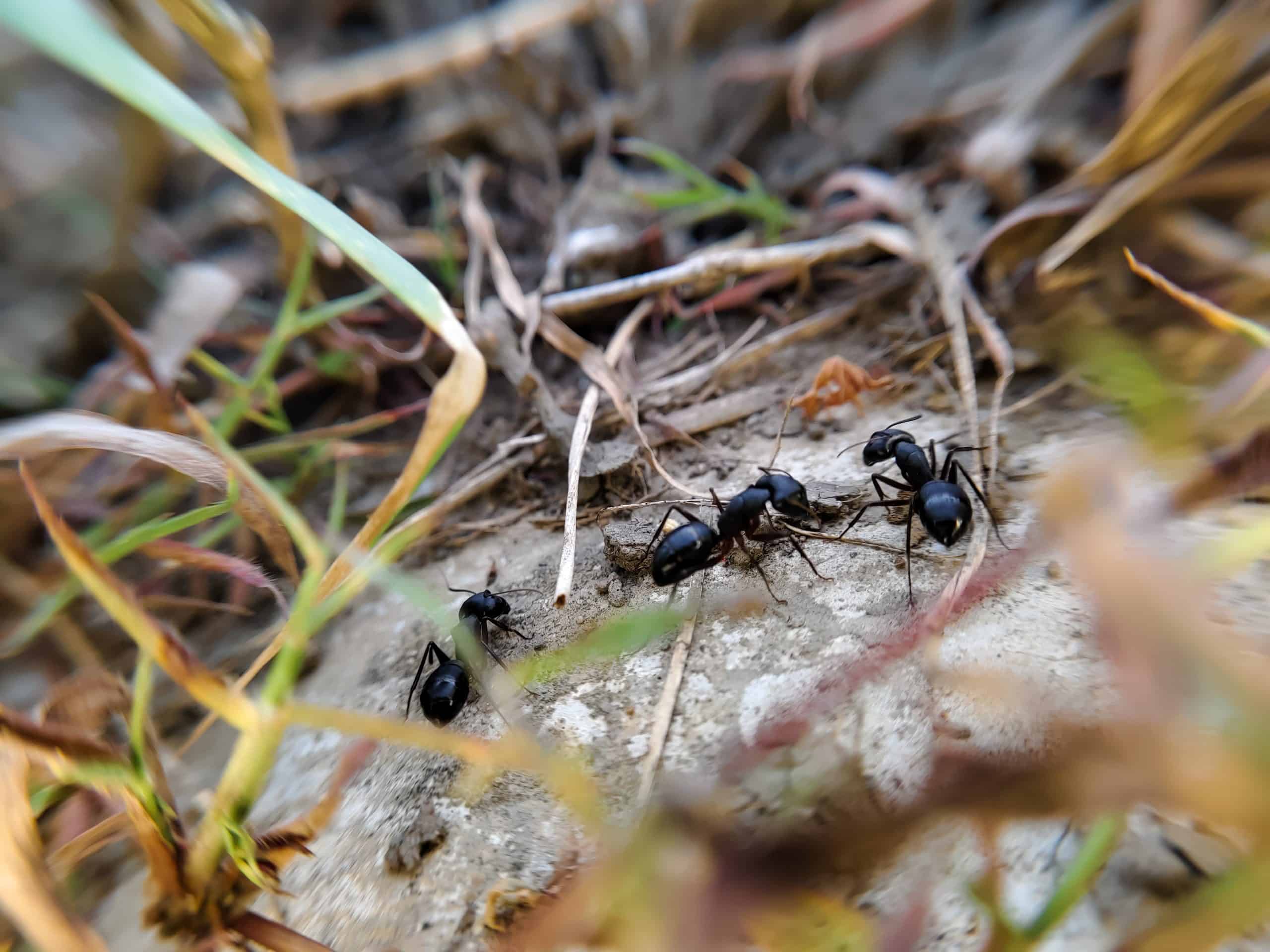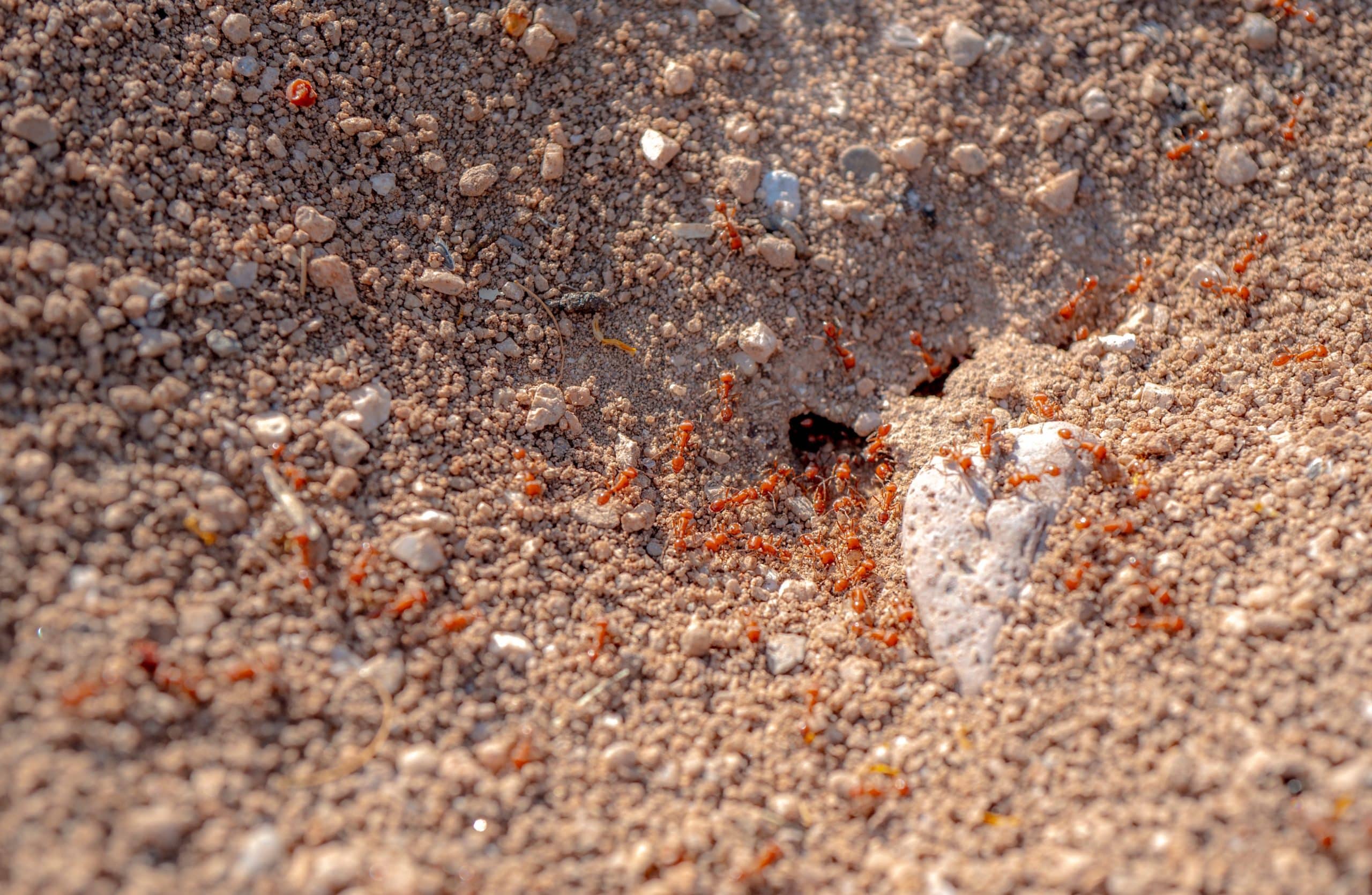
Ants are a year-long problem in Arizona. Between the heavy monsoon rains and extreme dry heat, these pests constantly seek shelter indoors. Taking preventative action is necessary to control these persistent pests.
Common Ant Species Found in Arizona Homes
Arizona is home to a variety of ant species. There are a few that commonly invade houses in search of water and food sources.
Common ants in Arizona homes:
- Argentine ants: This invasive species is particularly hard to remove from homes as they form multi-queen colonies and repopulate quickly after treatments.
- Fire ants: These reddish-brown ants are highly aggressive when threatened and pack a powerful punch. Their venomous stings result in severe allergic reactions and pus-filled swelling near the sting.
- Carpenter ants: These ants chew through and damage wood to build their nests, causing structural damage to houses.
- Odorous house ants: As their name suggests, these small ants emit a foul odor when crushed.
Depending on the type of ant, you will need different treatments to eliminate the infestation.
Food Sources That Attract Ants Indoors
Ant colonies often search for food indoors and are attracted to a variety of edible substances. Reducing access to these can improve your chances of preventing an infestation.
Common ant attractants:
- Sugary spills or substances
- Crumbs from bread and sweets
- Greasy wrappers or fatty food waste
- Pet food and opened bags
Fortunately, a few simple habits will remove these attractants from your home.
- Store food in airtight containers.
- Promptly clean spills or food crumbs.
- Dispose of trash regularly and clean the cans when needed.
- Don’t leave pet food in the open, and store food in sealed bins.
Moisture Problems That Cause Ant Infestations
Ants can also invade a home due to leaks or excessive moisture in the structure. Carpenter ants are especially drawn to these conditions as it creates soft, decaying wood that they can easily nest in.
Sources of excess moisture include:
- Leaky pipes or faucets
- Water damage in walls or ceilings
- High humidity
- Poor landscape drainage
If you notice any signs of leaky plumbing or water damage, you will want to address the problem immediately in order to protect your home from ants and other pests.
Entry Points Ants Use to Get Inside
Ants can enter your home through numerous ways. Even cracks or gaps as tiny as 1/64 of an inch are enough to provide ants with access to your home or property. These entry points don’t always have to be near the ground. Ants can find their way through openings all over your home, including roofs and attics.
The most common ant entry points include:
- Cracks in foundations or walls
- Gaps in weather stripping around doors and windows
- Openings around pipes and vents
- Chimney gaps and attic vents
- Rotting debris near doors and windows
To prevent an ant problem, make sure to seal entry points with caulk and remove any rotting debris from around your home.
Seasonal and Weather-Related Ant Activity in Arizona
Arizona’s extreme dry heat and heavy monsoons drive ants indoors at higher rates between March and October. This is because ants seek shelter from heat and flooding, nesting inside homes.
The dry heat causes drought conditions that drive ants to search for water sources. Homes with excessive moisture are more at risk of an infestation during these seasons. Monsoons, on the other hand, flood ant nests and cause surges of ant activity in nearby buildings.
During these peak seasons, professional pest control services can monitor ant activity and take preventive measures against an infestation.
Why DIY Ant Control Often Makes the Problem Worse
If you’ve ever tried to get rid of ants on your own, you may notice persistent activity no matter what you try. There are many DIY methods out there, but they don’t always work in the long-run.
Reasons for failure include:
- Killing worker ants, but not the queen
- Sprays that repel, but don’t kill
- Ignoring the source of the infestation
- Bait misuse
- Using the wrong treatment for the species
If your DIY methods haven’t eliminated the problem, using a pest control service can fill the gaps in your treatment and kill the ant colony inside your home.
When an Ant Problem Becomes an Infestation
Spotting a few ants doesn’t mean you have an infestation on your hands. However, you will want to monitor this activity and watch for distinct signs that the problem has escalated into an infestation.
Look for:
- Nesting: High ant activity near baseboards, under sinks, or even inside electrical outlets can indicate an ant nest inside.
- Ant trails: Finding lines of marching ants along walls means a colony is following already established pheromone trails created by scouts.
- Frass: If you start to notice sawdust-like frass around your home, it means you have carpenter ants building nests inside your home.
- Sudden surges: A sudden increase in ant activity happens after a colony settles into a new home. If you’ve noticed an influx of ant activity in your home, it’s time to call a professional.
How Professional Pest Control Stops Ant Infestations at the Source
Professional pest control services eliminate ants by targeting and removing the source of the infestation. Not only are their success rates far higher than DIY methods, but they also often provide a host of treatment services to give you peace of mind that the problem won’t return.
Professional ant treatment includes:
- Species-specific treatment plans
- Specialized bait
- Non-repellant chemicals
- Barrier treatments and entry point sealing
- Ongoing prevention programs
Because these treatments target and kill the queen, colonies lose their reproduction source and die off. If the queen remains alive, which is often the case with DIY methods, the colony will survive.
Effective Ant Control Services in Arizona with Insectek
Insectek’s ant extermination treatments focus on long-term prevention and swiftly remove colonies. Our expertise on Arizona’s ants and how the climate affects their behavior allows us to take a species-specific approach.
If you are ready to protect your home from an ant infestation, call today and receive a free quote!